Stop Using Foam & Bubble Wrap
👉 There’s a Better Way
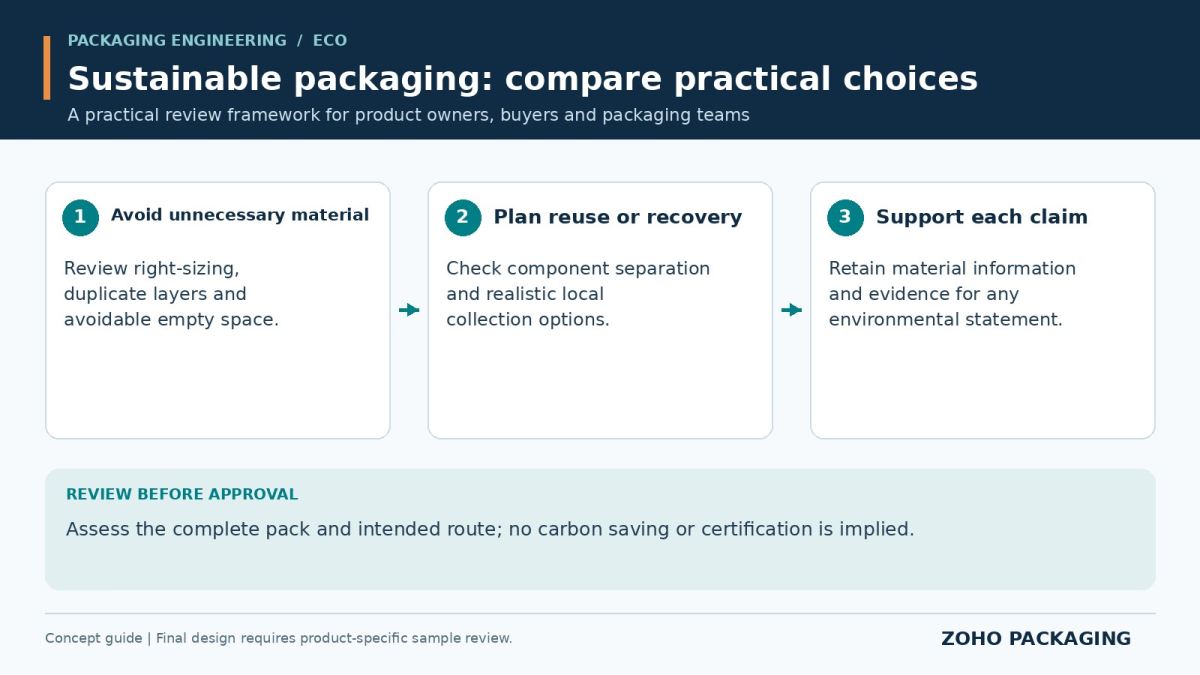 Assess the complete pack and intended route; no carbon saving or certification is implied.
Traditional cushioning uses:
❌ Foam (EPE / EPS)
❌ Bubble wrap
❌ Plastic fillers
👉 Problems:
- Not recyclable
- Difficult to dispose
- Increasing ESG pressure
- Poor brand perception
Paper Cushioning = The New Standard
👉 Replace plastic cushioning with:
- Corrugated inserts
- Honeycomb paper
- Kraft cushioning systems
👉 Result:
- Fully recyclable
- Sustainable
- High performance
Plastic vs Paper Cushioning (Reality Check)
| Factor |
Plastic Cushioning |
Paper Cushioning |
| Recyclability |
Low |
High |
| Environmental Impact |
High |
Reduced |
| Protection |
Medium |
High (engineered) |
| Brand Perception |
Neutral |
Positive |
Our Paper Cushioning Approach
📦 1️⃣ Corrugated Structural Inserts
We design:
- Die-cut inserts
- Folded structures
- Load-support systems
👉 Result:
- Strong support
- Fixed positioning
- No movement
🛡️ 2️⃣ Shock Absorption Design
Paper can absorb impact when designed correctly.
We use:
- Structural deformation
- Multi-layer paper buffering
- Honeycomb structure
👉 Result:
- Reduced impact force
- Improved protection
🔧 3️⃣ Product-Fit Cushioning
Instead of generic padding:
👉 We create:
- Custom-fit inserts
- Product-specific design
👉 Result:
- Smaller box
- Better protection
♻️ 4️⃣ 100% Paper System
We eliminate:
❌ Plastic + foam mix
👉 Replace with:
✅ Single-material paper system
👉 Result:
- Easy recycling
- ESG-ready packaging
🚛 5️⃣ Logistics Optimization
Paper cushioning allows:
- Compact packaging
- Better stacking
- Lower shipping cost
👉 Not just eco → more efficient
Real Impact
👉 Replace plastic cushioning
👉 Reduce waste significantly
👉 Improve recyclability
👉 Lower total packaging cost
Common Applications
- Automotive parts
- Electronics
- E-commerce packaging
- Industrial components
Common Mistakes
❌ Just replace material without redesign
❌ Use paper loosely (no structure)
❌ Ignore product fit
❌ No shock design
👉 Result: damage increases
Before vs After
| Factor |
Before |
After |
| Cushioning Type |
Foam / Plastic |
Paper |
| Recyclability |
Low |
High |
| Protection |
Unstable |
Controlled |
| Cost (Total) |
High |
Optimized |
What You Get
✔ Paper cushioning system design
✔ Structural protection solution
✔ Plastic-free packaging
✔ Cost & efficiency optimization
CTA
♻️ Want to replace plastic cushioning with paper?
👉 Get a Free Cushioning Design Plan
📊 FAQ
Q1: What is paper-based cushioning packaging?
Paper-based cushioning packaging uses paper materials such as corrugated board, kraft paper, or honeycomb paper to absorb impact and protect products during transportation. Instead of relying on plastic materials like foam or bubble wrap, paper cushioning is designed through structural engineering to provide support and shock absorption. This approach allows packaging to remain recyclable while maintaining strong protection performance.
Q2: Can paper cushioning replace foam completely?
In many cases, paper cushioning can fully replace foam when it is properly designed. Corrugated structures and honeycomb paper can provide both support and impact resistance. However, the effectiveness depends on the design. Engineering plays a critical role in ensuring that the paper-based solution meets the required protection standards. Simply replacing foam with paper without redesigning the structure may not deliver the same performance.
Q3: Is paper cushioning strong enough for heavy products?
Yes, paper cushioning can be strong enough for heavy products when designed correctly. Corrugated inserts and structural designs can provide high load-bearing capacity and support. The key is to distribute weight properly and reinforce critical areas. Engineering design ensures that paper-based solutions can handle demanding applications.
Q4: How does paper cushioning absorb shock?
Paper cushioning absorbs shock through controlled deformation and structural design. Materials such as honeycomb paper and corrugated board can compress under impact, reducing the force transmitted to the product. Multi-layer structures and strategic design further enhance shock absorption. This allows paper cushioning to protect products effectively during transportation.
Q5: Is paper cushioning more expensive than plastic?
Paper cushioning is not necessarily more expensive when considering total cost. While material cost may vary, paper-based solutions can reduce overall cost by improving recyclability, reducing waste, and optimizing packaging size. Additionally, eliminating plastic can enhance brand value and meet regulatory requirements. Total system cost is often lower with optimized paper cushioning.
Q6: What industries use paper cushioning the most?
Paper cushioning is widely used in industries such as e-commerce, automotive parts, electronics, and industrial packaging. These industries benefit from the combination of protection, sustainability, and cost efficiency. As demand for eco-friendly packaging increases, more companies are adopting paper-based solutions.
Q7: What is honeycomb paper and why is it effective?
Honeycomb paper is a type of paper structure that expands into a honeycomb pattern, providing cushioning and shock absorption. Its structure distributes impact forces evenly and reduces direct pressure on the product. This makes it an effective alternative to bubble wrap and foam.
Q8: Can paper cushioning improve packaging efficiency?
Yes, paper cushioning can improve packaging efficiency by allowing for more compact designs and better product fit. This reduces packaging size and improves pallet utilization, leading to lower shipping costs. Efficient design also simplifies handling and storage.
Q9: What is the biggest mistake when switching to paper cushioning?
The biggest mistake is replacing plastic materials with paper without redesigning the packaging structure. Paper cushioning requires engineering to perform effectively. Without proper design, protection may be compromised. A system-level approach is necessary to achieve both performance and sustainability.
Q10: How can I switch to paper cushioning?
Switching to paper cushioning involves analyzing current packaging, identifying areas where plastic can be replaced, and redesigning the structure. Working with packaging engineers ensures that the transition maintains protection performance while improving sustainability. A well-planned approach delivers the best results.