Shipping Corrugated Boxes
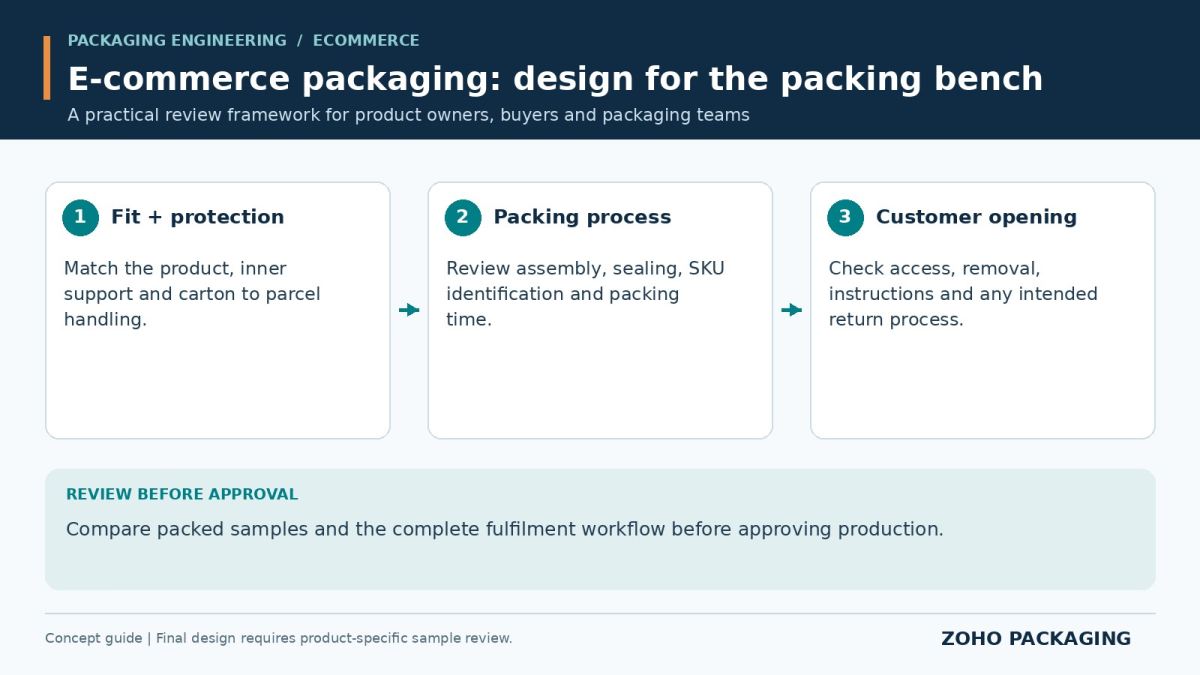 Compare packed samples and the complete fulfilment workflow before approving production.
Shipping is where most packaging fails.
Not in the factory.
Not in the warehouse.
But somewhere between pickup and delivery.
And when it fails,
you don’t just lose a box—you lose product, margin, and customer trust.
Shipping Boxes Are Not Just Containers
A shipping box is not designed to hold a product.
It is designed to survive:
- Drops
- Compression
- Vibration
- Stacking
- Long-distance transport
If your box cannot handle these,
your packaging is incomplete.
Why Most Shipping Boxes Fail
Most businesses use shipping boxes that were never designed for real logistics.
Common issues:
- Box too large → product moves inside
- Box too weak → collapses during stacking
- Poor structure → corners fail under pressure
- No internal support → impact damage
- Wrong material → affected by humidity
These are not rare problems.
They are systemic.
What a Proper Shipping Corrugated Box Must Do
A high-performance shipping box must achieve:
1. Structural Strength
Withstand stacking and compression without collapsing.
2. Internal Protection
Prevent product movement and absorb impact.
3. Dimensional Efficiency
Reduce empty space and optimize shipping cost.
4. Operational Efficiency
Easy to pack, seal, and handle.
5. Consistent Performance
Reliable across different shipping conditions.
Anything less creates risk.
Designed for E-commerce Shipping
E-commerce shipping is fast, frequent, and unforgiving.
Your boxes must handle:
- Parcel handling systems
- Multiple drop points
- High volume packing
- Customer unboxing experience
We design shipping boxes that:
- Fit products precisely
- Reduce filler usage
- Improve packing speed
- Maintain clean presentation upon delivery
Because in e-commerce,
the box is part of the product experience.
Built for Export Shipping
Export shipping adds another level of complexity:
- Longer transit time
- Container stacking pressure
- Environmental changes (humidity, temperature)
- Multiple handling stages
A standard shipping box may survive locally
but fail internationally.
We design export corrugated boxes based on:
- Load-bearing requirements
- Pallet configuration
- Container loading conditions
- Shipping duration and route
Because export failure is expensive.
Reduce Shipping Cost Without Increasing Risk
Most companies try to reduce cost by:
- Using thinner boxes
- Increasing box size to simplify packing
- Adding more filler
This approach increases:
- Shipping volume cost
- Damage risk
- Packing inefficiency
A better approach:
- Right-size the box
- Optimize structure
- Reduce filler
- Improve stacking
This lowers total logistics cost—not just box cost.
Custom Shipping Box Solutions
We provide customized shipping corrugated boxes including:
- Standard shipping cartons
- E-commerce mailer boxes
- Heavy-duty shipping boxes
- Export packaging cartons
- Printed shipping boxes
- Die-cut custom structures
- Boxes with inserts and partitions
Every solution is based on how your product actually moves through logistics.
Real Impact: Before vs After
Before:
- Generic box
- High filler usage
- Frequent damage
- Inefficient packing
After:
- Right-sized box
- Controlled internal movement
- Reduced damage rate
- Faster packing process
Shipping performance improves
when packaging is designed—not guessed.
Who Needs Better Shipping Boxes?
If you are experiencing:
- Product damage during delivery
- High return rates
- Inefficient packing operations
- Increasing shipping costs
- Scaling e-commerce volume
Then your packaging is not optimized.
And fixing it can immediately improve your margins.
Why Work With Us
We design shipping corrugated boxes based on:
- Real shipping conditions
- Product behavior inside the box
- Logistics efficiency
- Cost-performance balance
We are not just a supplier.
We are a packaging performance partner.
Call to Action
If your shipping boxes:
- Fail occasionally
- Require too much filler
- Were never actually designed
Then you are operating with risk.
Tell us:
- Product size and weight
- Shipping method (parcel / pallet / export)
We will help you build shipping boxes that work in real-world logistics.
Because shipping success is not luck.
It is design.
FAQ
1. What are shipping corrugated boxes used for?
Shipping corrugated boxes are designed to transport products safely through logistics systems, including warehouses, parcel networks, and export routes. They must handle stacking pressure, drops, vibration, and environmental changes. Unlike standard boxes, shipping boxes are engineered for real-world handling conditions to ensure that products arrive intact and presentable.
2. How do I choose the right shipping box size?
The right size depends on your product dimensions and the amount of protection required. A box that is too large increases movement and requires more filler, which raises cost and damage risk. A properly sized box minimizes empty space, stabilizes the product, and improves shipping efficiency. Custom sizing is often the best solution for optimized performance.
3. Why do products get damaged even when using corrugated boxes?
Damage often occurs because the packaging is not designed correctly. Common causes include insufficient box strength, poor internal support, excessive empty space, and weak structure. Even a strong box can fail if the product inside is not secured properly. Packaging must be designed as a system, not just a container.
4. Are custom shipping boxes better than standard ones?
Yes. Custom shipping boxes are designed specifically for your product and logistics conditions. They provide better fit, improved protection, and higher efficiency compared to standard boxes. This reduces damage, lowers shipping costs, and improves the overall customer experience.
5. Can better packaging reduce shipping costs?
Yes. Optimized packaging reduces dimensional weight, improves pallet utilization, and minimizes filler usage. This leads to lower shipping costs and better operational efficiency. While custom boxes may have a higher unit cost, they often reduce total logistics expenses.
6. What is the difference between e-commerce boxes and export boxes?
E-commerce boxes are designed for parcel shipping and frequent handling, focusing on durability and presentation. Export boxes must handle longer transit times, higher stacking pressure, and environmental changes. Export packaging requires stronger structures and more robust design.
7. Do I need inserts inside shipping boxes?
In many cases, yes. Inserts help stabilize the product, prevent movement, and absorb shock. Without internal support, products can be damaged even if the outer box remains intact. Inserts are especially important for fragile or high-value items.
8. How can I reduce damage during shipping?
You can reduce damage by using properly designed boxes, selecting the right material strength, minimizing empty space, and adding internal support where needed. Understanding your shipping conditions and designing packaging accordingly is the most effective approach.
9. What industries rely on shipping corrugated boxes?
Almost all industries rely on them, including e-commerce, retail, electronics, food, industrial products, and export manufacturing. Any business that ships products needs reliable shipping packaging to ensure safe delivery.
10. How do I start improving my shipping packaging?
Start by analyzing your current packaging performance, including damage rates and shipping costs. Then provide your product details and shipping conditions to a packaging expert. With this information, a customized solution can be developed to improve performance and reduce risk.