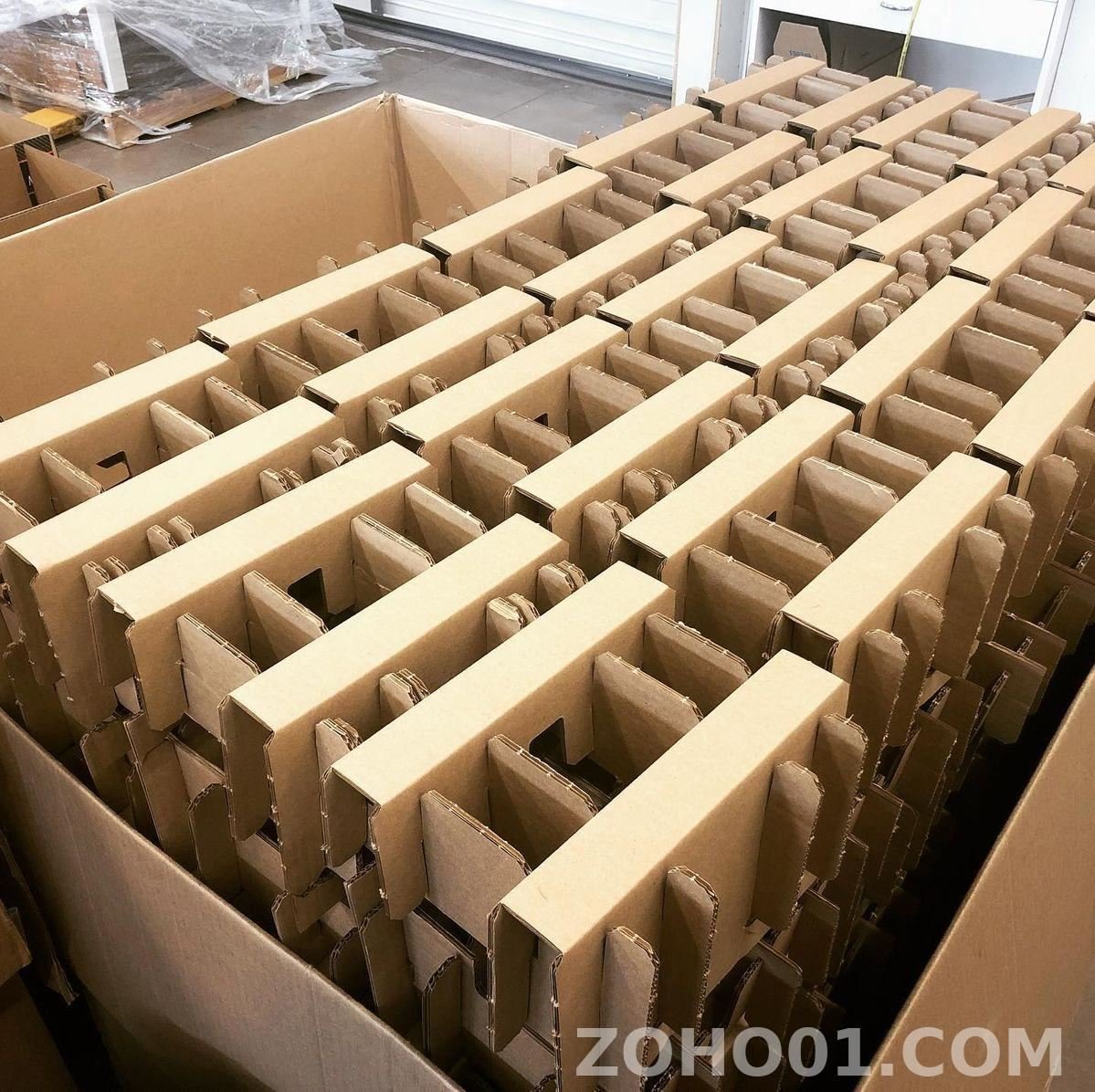
Your Brake Discs Don’t Fail — Your Packaging Does
Brake discs are precision-engineered components.
Yet most damage doesn’t happen during manufacturing — it happens during transport, handling, and storage.
At Zoho Packaging, we design engineering-driven packaging systems that prevent:
- Surface rust
- Edge chipping
- Stacking deformation
- Export shipping damage
👉 Packaging is not a box — it’s your profit protection system.
Most suppliers underestimate real-world logistics conditions:
❌ 1. Rust from humidity exposure
Ocean freight = high humidity
→ No VCI / poor sealing = corrosion risk
❌ 2. Edge damage from vibration
Metal-to-metal contact
→ Micro-chipping becomes customer complaints
❌ 3. Pallet collapse
Incorrect stacking design
→ Bottom layers take excessive load
❌ 4. Overpackaging cost
Too much material
→ Increased shipping cost without real protection
Our Engineering Packaging Approach
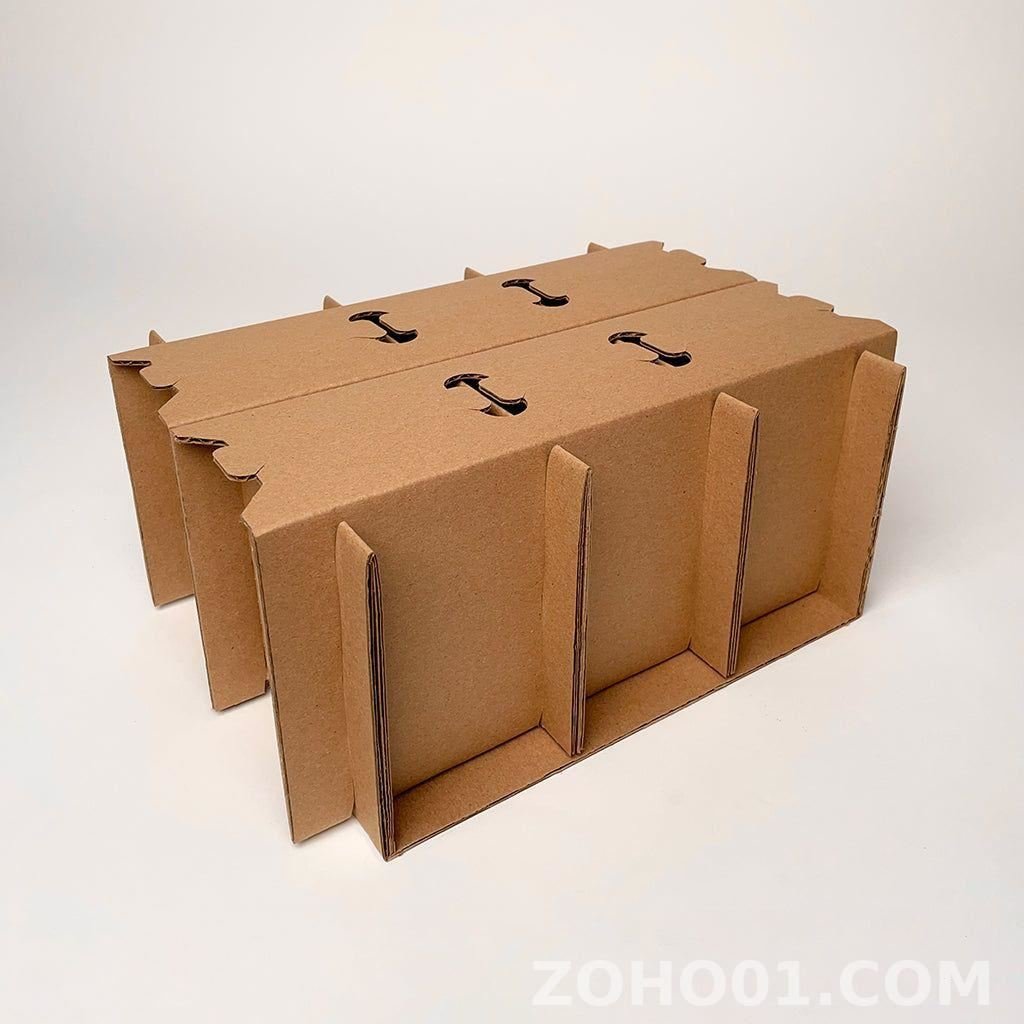
We don’t sell boxes.
We design load-bearing systems.
1. Load Path Design
Instead of increasing board thickness blindly, we design:
- Force distribution paths
- Edge protection zones
- Structural reinforcement points
👉 Strength comes from structure, not just material
2. Anti-Rust Protection
Depending on shipping conditions:
- VCI paper / film
- Moisture barrier bags
- Desiccant integration
👉 Designed for sea freight conditions (30–60 days)
3. Shock & Vibration Control
Options include:
- Molded pulp inserts
- EPE / foam cushioning
- Corrugated partitions
👉 Prevent metal-to-metal contact
4. Pallet Optimization (Critical for Export)
We design packaging based on:
- 120×100 cm pallet layout
- Container loading efficiency
- Stack height & compression strength
👉 Reduce logistics cost while maintaining safety
Before vs After Packaging Upgrade
4
| Situation |
Before |
After |
| Damage Rate |
5–8% |
<0.5% |
| Packaging Cost |
Low |
Optimized |
| Total Loss |
High |
Controlled |
| Customer Complaints |
Frequent |
Minimal |
👉 Real saving is not packaging cost — it's damage reduction
Why Choose Zoho Packaging (Taiwan)
- Engineering-based packaging design
- Experience in automotive export packaging
- Fast prototyping & small MOQ support
- Strong communication with global buyers
- Reliable production quality
👉 We don’t compete on price.
We compete on damage prevention and long-term cost control.
Who This Is For
- Automotive parts exporters
- Brake disc / rotor manufacturers
- Aftermarket suppliers
- Global distributors
Call to Action
Looking to reduce damage, optimize cost, and improve packaging reliability?
👉 Contact us for:
- Packaging structure design
- Cost optimization analysis
- Sample testing
FAQ
1. What is the best way to package brake discs for export?
The best method combines structural support, anti-rust protection, and shock absorption. This usually includes corrugated boxes with internal partitions, VCI materials, and pallet-optimized stacking. Packaging must be designed based on weight, shipping method, and destination conditions.
2. How do you prevent rust during shipping?
Rust prevention requires moisture control and corrosion inhibitors. We use VCI paper, sealed packaging, and desiccants depending on shipping duration. Sea freight typically requires stronger protection due to high humidity exposure.
3. Why do brake discs get damaged during transport?
Most damage comes from vibration, stacking pressure, and improper packaging design. Without proper separation and structural support, metal parts collide and cause edge damage or deformation.
4. Do I need heavy-duty corrugated boxes?
Yes, but strength should not rely only on thickness. Engineering design such as load distribution and reinforcement is more important than simply using thicker materials.
5. What is pallet optimization in packaging?
Pallet optimization ensures maximum space utilization while maintaining structural safety. It reduces shipping cost and improves stability during transport.
6. Can packaging reduce overall logistics cost?
Yes. Efficient packaging reduces damage, lowers return rates, and improves container loading efficiency, which significantly reduces total cost.
7. What materials are commonly used for brake disc packaging?
Corrugated cardboard, molded pulp, EPE foam, and VCI materials are commonly used depending on protection requirements and sustainability goals.
8. Do you offer small MOQ packaging solutions?
Yes. We support small MOQ for testing and scaling, especially for new product launches or export trials.
9. How long does it take to develop custom packaging?
Typically 7–14 days including design, sampling, and testing, depending on complexity.
10. Why choose Taiwan packaging suppliers?
Taiwan offers strong engineering capability, reliable quality control, and better communication compared to many alternatives. It is ideal for brands that prioritize consistency and long-term partnership.
Packaging doesn’t protect your product — it protects your profit.