Packaging Is Not Design — It’s Engineering
Most companies think packaging design is about:
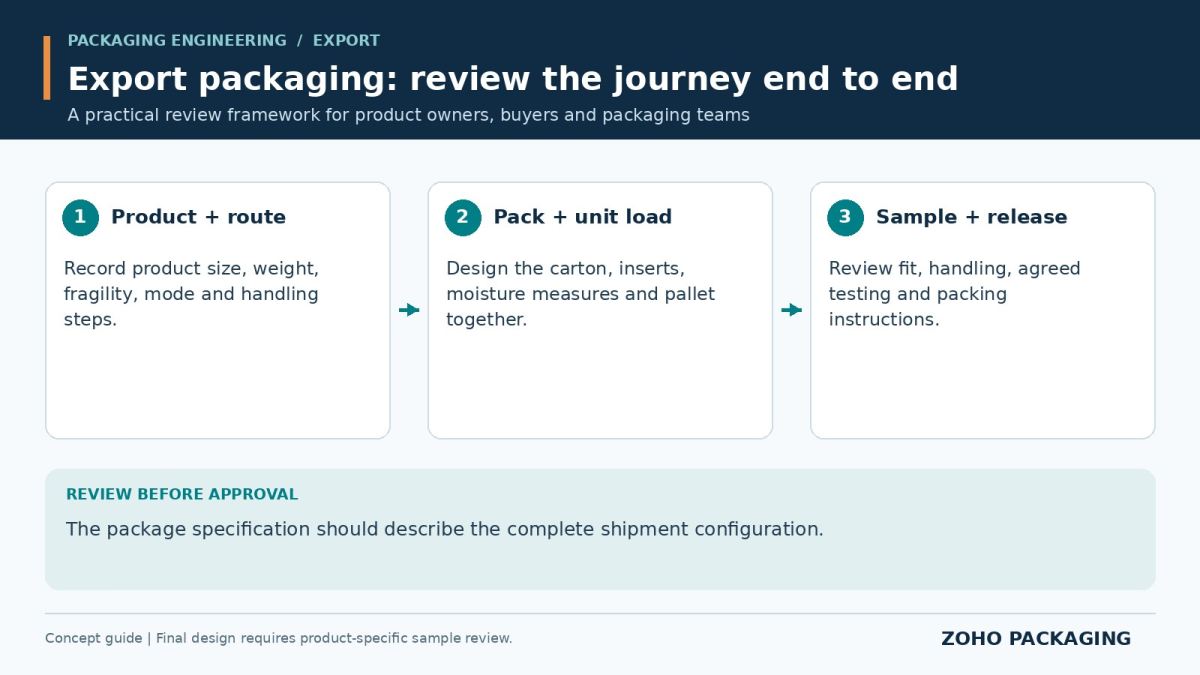 The package specification should describe the complete shipment configuration.
- appearance
- branding
- printing
But in reality:
Packaging design is a structural engineering problem.
If your packaging fails:
- products get damaged
- shipping costs increase
- customers lose trust
👉 And all of this comes from one thing:
Bad design decisions at the beginning
What Is Packaging Engineering?
Packaging engineering is the process of designing packaging systems based on:
- product characteristics
- logistics conditions
- stacking requirements
- environmental factors
Core Objective
Deliver products safely at the lowest total cost.
The 4 Core Elements of Packaging Engineering
1. Structural Design
This is the most critical factor.
It defines:
- load-bearing capacity
- compression resistance
- stacking performance
Key Principle
Strength comes from structure, not material thickness.
2. Material Optimization
Choosing the right material:
- corrugated board (single / double / triple wall)
- kraft paper
- molded pulp
- protective inserts
👉 The goal is NOT to use more material
👉 The goal is to use the right material efficiently
3. Logistics Integration
Packaging must fit into:
- pallet dimensions
- container loading
- warehouse stacking
Example
A poorly designed carton:
❌ wastes space
❌ increases shipping cost
❌ reduces stacking stability
A well-designed carton:
✔ maximizes pallet usage
✔ reduces freight cost
✔ improves handling efficiency
4. Performance Testing
Engineering without validation = guessing
Common Tests:
- Drop Test
- Compression Test
- Vibration Test
- ISTA standards validation
👉 This is where most suppliers fail
👉 They don’t test—they assume
Why Packaging Fails (Engineering Perspective)
Most failures are not random.
They are caused by:
❌ Load Miscalculation
- stacking weight underestimated
- no safety factor applied
❌ Weak Structural Design
- poor load distribution
- weak corners or edges
❌ Environmental Neglect
- humidity ignored
- temperature ignored
❌ Logistics Ignored
- wrong carton size
- inefficient pallet arrangement
Result
- collapsed cartons
- damaged goods
- increased cost
BCT — The Core of Packaging Engineering
BCT (Box Compression Test) determines how much load a carton can تحمل.
👉 It defines stacking capability.
Key Factors Affecting BCT:
- board strength (ECT)
- carton dimensions
- humidity conditions
- stacking duration
Engineering Insight
A 20% mistake in BCT calculation can lead to 100% failure in stacking.
ISTA Testing — Real World Simulation
ISTA (International Safe Transit Association) testing simulates:
- shipping drops
- vibration during transport
- handling stress
Why It Matters:
Because:
👉 Your packaging doesn’t fail in factory
👉 It fails in logistics
Packaging Cost Optimization Through Engineering
Most companies try to reduce cost by:
- switching to cheaper materials
That’s the wrong approach.
The Right Way:
1. Reduce Material Through Design
→ smarter structure
2. Improve Pallet Efficiency
→ more units per shipment
3. Reduce Damage Rate
→ fewer returns
Real Impact
✔ 10–25% cost reduction
✔ lower logistics expense
✔ higher delivery success rate
Engineering vs Traditional Packaging Suppliers
| Traditional Supplier |
Engineering-Based Supplier |
| focus on price |
focus on total cost |
| material-based |
structure-based |
| no testing |
validated performance |
| short-term solution |
scalable system |
Zoho Packaging Engineering Approach
Step 1 — Product Analysis
- weight
- fragility
- dimensions
Step 2 — Structural Design
- load path design
- reinforcement strategy
Step 3 — Material Selection
- optimize board type
- reduce excess usage
Step 4 — Logistics Planning
- pallet layout
- container optimization
Step 5 — Testing & Validation
- drop test
- compression test
- simulation
Result
✔ stable packaging system
✔ predictable performance
✔ scalable production
Who Needs Packaging Engineering the Most?
- export businesses
- food & FMCG brands
- electronics manufacturers
- heavy equipment suppliers
- e-commerce brands
👉 If your product ships — you need packaging engineering.
Final Insight
Most companies think packaging is a cost.
Smart companies know:
Packaging is a system that controls cost, risk, and customer experience.
FAQ
1. What is packaging engineering?
Packaging engineering involves designing packaging systems based on structure, materials, logistics, and testing to ensure product safety and cost efficiency.
2. Why is structural design important in packaging?
Because structure determines load distribution and strength. A well-designed structure can reduce material use while improving performance.
3. What is BCT in packaging?
BCT (Box Compression Test) measures how much weight a box can تحمل before collapsing, which is critical for stacking and shipping.
4. What is ISTA testing?
ISTA testing simulates real-world shipping conditions like drops and vibration to validate packaging performance.
5. Can packaging engineering reduce cost?
Yes. By optimizing structure and logistics, companies can reduce material usage, shipping cost, and product damage.
6. What causes packaging failure?
Common causes include poor structural design, incorrect material selection, lack of testing, and ignoring environmental factors.
7. How do I know if my packaging is inefficient?
High damage rates, excessive material use, and poor pallet utilization are clear indicators.
8. Is thicker packaging always better?
No. Thicker material increases cost but does not guarantee better performance. Structure matters more.
9. What industries benefit from packaging engineering?
Export, food, electronics, industrial equipment, and e-commerce industries benefit the most.
10. How can I improve my packaging system?
Start with a packaging audit, then redesign structure, optimize materials, and validate with testing.