You Are Not Paying for Packaging
You Are Paying for Empty Space
Most companies think logistics cost comes from:
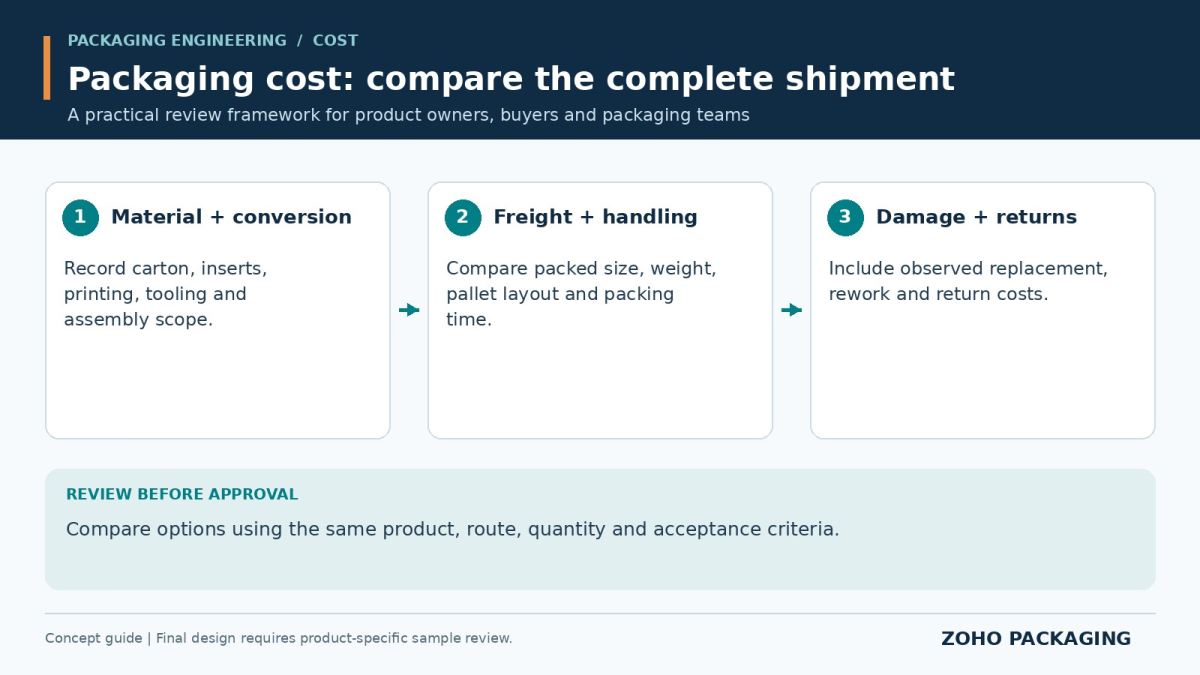 Compare options using the same product, route, quantity and acceptance criteria.
- fuel
- distance
- freight rates
But the real cost driver is:
How efficiently you use space
👉 If your packaging is not optimized:
- you ship air
- you waste pallet space
- you pay more per unit
What Is Pallet Optimization?
Pallet optimization means designing packaging to:
- maximize number of cartons per pallet
- ensure stable stacking
- reduce unused space
Goal
Increase units per shipment without increasing risk
What Is Container Loading Optimization?
Container loading optimization focuses on:
- maximizing container utilization
- reducing void space
- improving stacking stability
👉 Because shipping cost is based on:
- volume
- weight
- container usage
The Hidden Cost of Bad Packaging Design
Example
Before Optimization:
- 1 pallet = 80 cartons
- container = 20 pallets
👉 total = 1,600 cartons
After Optimization:
- 1 pallet = 96 cartons
- container = 20 pallets
👉 total = 1,920 cartons
Result
✔ +320 cartons per shipment
✔ same shipping cost
✔ lower cost per unit
Key Insight
A 20% improvement in pallet efficiency = 20% reduction in logistics cost per unit
Why Most Packaging Wastes Space
❌ Wrong Carton Size
- not aligned with pallet dimensions
- creates gaps
❌ Ignoring Pallet Standards
Common pallet sizes:
- 120 × 100 cm (EU)
- 110 × 110 cm (Asia)
- 48" × 40" (US)
❌ Poor Stacking Pattern
- unstable stacking
- inefficient arrangement
❌ Over-Packaging
- unnecessary void space inside cartons
How to Optimize Pallet Layout
Step 1 — Define Pallet Size
Start from pallet—not product
Step 2 — Design Carton Dimensions
Carton must:
- fit pallet perfectly
- minimize gaps
Step 3 — Calculate Layer Efficiency
👉 maximize cartons per layer
Step 4 — Optimize Stacking Height
- based on BCT
- ensure no collapse
Golden Rule
Design packaging from pallet → not from product
Container Loading Optimization Strategy
1. Align Carton with Container Dimensions
Standard container sizes:
- 20ft container
- 40ft container
2. Maximize Vertical Space
👉 stacking height optimization
3. Reduce Void Space
- adjust carton size
- improve arrangement
4. Balance Weight Distribution
- prevent shifting
- improve safety
Real Case — Logistics Cost Reduction
Before
- inefficient carton size
- poor pallet fit
- wasted container space
After
- redesigned carton dimensions
- optimized pallet layout
- improved container loading
Result
✔ shipping cost ↓ 15–25%
✔ more units per shipment
✔ improved stability
Pallet Pattern — Column vs Interlock
Column Stacking
✔ stronger vertical load
✔ better for heavy products
Interlock Stacking
✔ more stable laterally
❌ reduces compression strength
Key Insight
Stability and strength must be balanced—not chosen separately
The Role of BCT in Pallet Optimization
You cannot optimize stacking without BCT.
👉 If stacking is too high:
❌ cartons collapse
👉 If stacking is too low:
❌ wasted space
Conclusion
Pallet optimization = BCT + geometry + logistics design
Packaging Design vs Logistics Cost
Traditional Thinking
- packaging cost = box price
Engineering Thinking
packaging cost = total cost per delivered unit
What Smart Companies Do
✔ design packaging with pallet in mind
✔ simulate container loading
✔ optimize before production
👉 Not after problems occur
Zoho Packaging Optimization Approach
Step 1 — Analyze Product & Volume
- dimensions
- shipping quantity
Step 2 — Design Carton Size
- pallet-aligned dimensions
- minimize waste
Step 3 — Optimize Pallet Layout
- maximize cartons per layer
- ensure stability
Step 4 — Container Simulation
- loading efficiency
- space utilization
Step 5 — Validation
- stacking test
- transport simulation
Result
✔ lower logistics cost
✔ higher efficiency
✔ scalable system
Who Needs This the Most?
- export businesses
- e-commerce brands
- FMCG companies
- heavy product manufacturers
👉 If you ship in volume, this is critical.
Final Insight
Most companies try to negotiate cheaper shipping rates.
Smart companies do this instead:
Reduce the number of shipments needed.
FAQ
1. What is pallet optimization?
Pallet optimization is designing packaging to maximize the number of cartons per pallet while maintaining stability and safety.
2. How does packaging affect shipping cost?
Packaging size and design determine how many units fit into a pallet or container, directly impacting cost per unit.
3. What is container loading optimization?
It involves maximizing container space utilization to reduce empty space and improve efficiency.
4. Can packaging design really reduce logistics cost?
Yes. Optimized packaging can reduce shipping cost by 10–25% without changing the product.
5. What is the best pallet stacking method?
Column stacking provides better compression strength, while interlock stacking improves stability. The choice depends on product type.
6. What pallet sizes should I consider?
Common sizes include 120×100 cm (EU), 48×40 inches (US), and 110×110 cm (Asia).
7. Why is my pallet space inefficient?
Likely due to incorrect carton size, poor stacking pattern, or ignoring pallet dimensions.
8. How do I calculate cartons per pallet?
Divide pallet dimensions by carton dimensions and optimize layout to minimize unused space.
9. Does pallet optimization affect product safety?
Yes. Proper design improves stability and reduces damage during transport.
10. How do I start optimizing my packaging?
Work with a packaging engineering team to redesign carton size, pallet layout, and container loading strategy.